
Currently Empty: KSh 0.00
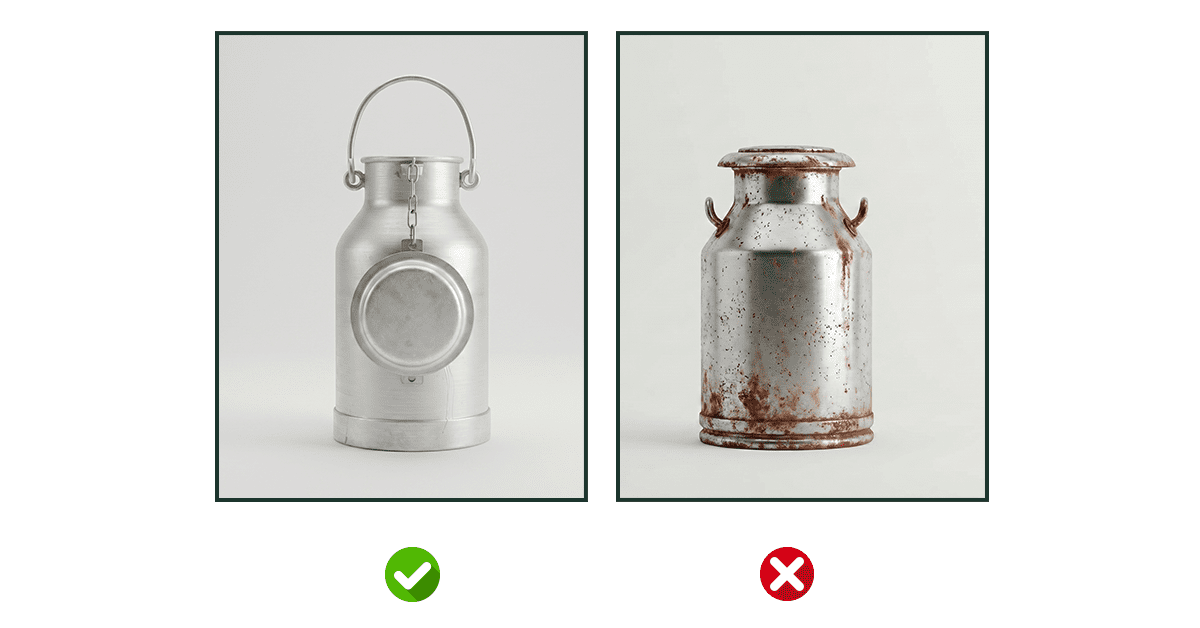
The Ultimate Guide to Milk Cans: Choosing the Best Milk Cans in Kenya
From smallholder farmers milking a few cows to cooperatives aggregating thousands of litres daily, milk cans sit at the centre of how milk is collected, handled, and moved.
In Kenya, where milk production happens across diverse regions and conditions, the right milk can is not just a container. It affects hygiene, efficiency, milk quality, labour, and ultimately income.
This guide breaks down everything you need to know about milk cans in Kenya, the materials, sizes, use cases, and practical considerations, so you can make an informed decision whether you’re buying your first can or upgrading your system.
Why Milk Cans Still Matter in Kenya’s Dairy Sector
Kenya does not have one uniform dairy landscape.
Milk is produced in the highlands, in cooler regions, in semi-arid areas, and in peri-urban zones. It is moved over smooth roads and rough ones, over short distances and long ones, by hand, by motorcycle, and by pickup truck. What works in one place often fails in another.
Milk cans remain relevant because they are adaptable to these realities.
They allow farmers and collectors to:
- Safely collect milk immediately after milking
- Protect milk from contamination during handling
- Transport milk without reliance on fixed infrastructure
- Measure and standardise volumes
- Clean and reuse equipment daily
For many farmers, milk cans are the first point where milk quality is either preserved or compromised. A good can supports hygiene and efficiency. A poor one leads to spills, spoilage, and rejected milk.
The Role of Milk Cans in the Dairy Value Chain
Milk cans serve different roles depending on where they sit in the value chain:
- At farm level: collecting milk directly from cows during morning and evening milking
- At aggregation level: pooling milk from multiple farmers before onward transport
- During transport: moving milk from farms to collection centres or buyers
- At temporary storage points: holding milk before cooling or delivery
Because these roles vary, no single milk can works for everyone. The best choice depends on volume, distance, handling method, and frequency of use.
Milk Can Materials Commonly Used in Kenya
Milk cans in Kenya are primarily made from aluminium and stainless steel. Each material serves a different purpose and user profile.
Aluminium Milk Cans
Aluminium milk cans are the most widely used across Kenya, especially among smallholder farmers and primary milk collectors.
They are available in a wide range of capacities, commonly:
- 10 litres
- 15 litres
- 20 litres
- 25 litres
- 30 litres
- 40 litres
- 50 litres
Why Aluminium Is So Popular
Lightweight handling
Aluminium is significantly lighter than stainless steel. When a can is full of milk, this difference matters — especially for farmers who carry cans by hand or load them onto motorcycles.
Ease of daily use
Most aluminium cans are designed for frequent opening, closing, lifting, and pouring. This makes them practical for morning and evening milking routines.
Corrosion resistance
Aluminium does not rust, making it suitable for humid farm environments and repeated washing.
Affordability
Aluminium cans are generally more affordable than stainless steel, making them accessible for farmers who need multiple cans.
Low maintenance
With proper cleaning, aluminium cans can serve reliably for daily operations without complex maintenance.
Best Suited For
- Smallholder farmers
- Medium-scale dairy farms
- Primary milk collectors
- Cooperatives handling short to medium transport distances
Choosing the Right Milk Can Capacity
Capacity choice should match daily milk volume, handling method, and transport distance.
Small Capacity Cans (10–20 Litres)
Ideal for:
- Small herds
- Individual farmers
- Short distances
- Manual carrying
Benefits:
- Easy to lift and pour
- Faster cooling after milking
- Lower spill risk
Medium Capacity Cans (20–40 Litres)
Ideal for:
- Medium farms
- Farmer groups
- Motorcycle transport
Benefits:
- Balance between volume and handling
- Fewer containers to manage
- Efficient for aggregation
Large Capacity Cans (40–50 Litres and Above)
Ideal for:
- Cooperatives
- Bulk collection
- Pickup or vehicle transport
Benefits:
- Reduced handling frequency
- Better for organised logistics
- Efficient for aggregation points
What to Look for When Buying a Milk Can
Not all milk cans are built the same. Beyond material and size, pay attention to these factors:
1. Food-Grade Construction
Always ensure the can is specifically designed for milk and food use. Interiors should be smooth, without seams that trap residue.
2. Lid Design and Fit
A good lid should:
- Fit tightly
- Be easy to open and close
- Prevent dust and debris from entering
- Stay secure during transport
Loose or poorly fitting lids are a common cause of contamination.
3. Handle Strength and Placement
Handles should be:
- Firmly attached
- Comfortable to grip
- Balanced for lifting when full
Weak handles are a safety risk and often fail under daily use.
4. Ease of Cleaning
Look for:
- Smooth internal surfaces
- Wide openings for hand access
- No sharp corners inside
5. Long-Term Value
Cheapest is not always best. A slightly higher upfront cost can mean:
- Fewer replacements
- Better milk quality
- Lower rejection rates
Practical Farmer Tips for Using Milk Cans
Even the best milk can needs proper handling. These practices help protect milk quality:
- Wash cans immediately after use with clean water
- Use food-safe cleaning agents regularly
- Allow cans to dry fully before storage
- Avoid placing cans directly on the ground
- Keep lids closed when not actively pouring
- Transport milk as soon as possible after milking
Small habits compound into better quality and higher acceptance rates.